Cinépolis
Tickets, seats, food and checkout in one flow, for Latin America's largest cinema chain.
Cinépolis is the largest cinema chain in Latin America, with theaters from Mexico to Peru. Its website, app and lobby kiosks had grown one release at a time, each with its own navigation and its own idea of what a visit was. I led the discovery and the experience strategy, and built the navigation framework and the purchase flow that the three surfaces share.
Highlights
- Concessions given the same weight as the ticket
- Two journeys: the lobby and the phone in a hurry
- One navigation framework across web, app and kiosk
- Clear, actionable, immersive: the three principles
- Eighteen stakeholders across six departments
Problem
Discovery put it in one line: the audience is loyal, but very frustrated. The app was the clearest symptom. Purchases failed partway and had to be started again. Tickets went missing when people needed them. A VIP room was harder to buy than it was to want. It was frustrating enough that people avoided the app, and a cinema chain makes its margin on the food counter and on those upgrades, so every abandoned purchase showed up in the revenue.
So the first job was to get the experience back to what it should already have been, and then set a standard above it.
I designed the product around the visit rather than around the company that sells it. At a good cinema the film, the seat and the food are one experience, so the purchase is one flow, and the food and the upgrades live inside it.
The research
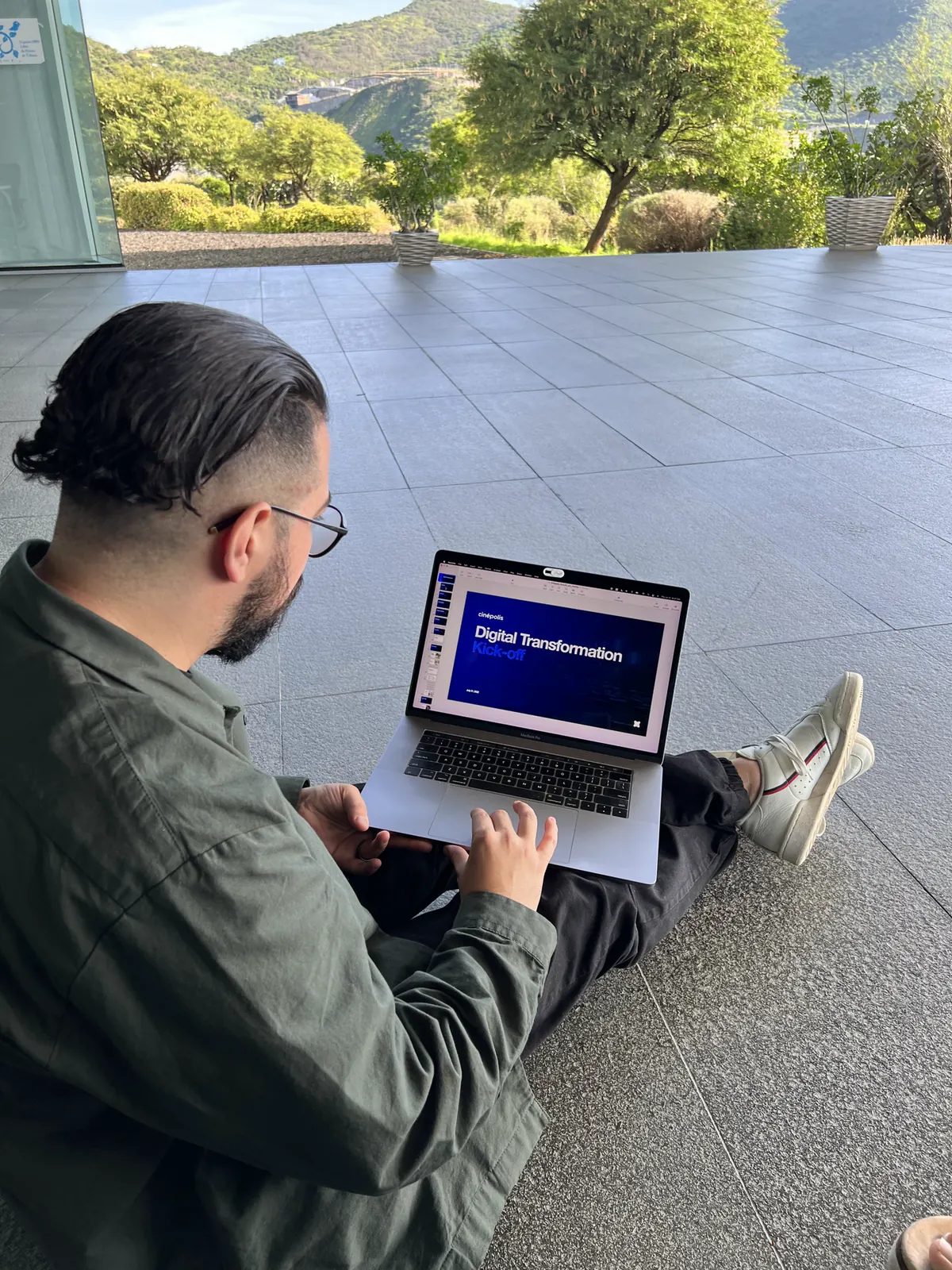
Discovery ran on site. Workshops with eighteen people across six departments, marketing, film programming, IT, omnichannel and revenue, strategic planning and the digital organization, from the Chief Digital Officer and a Senior VP of Strategic Planning to the managers who run the programming, in Morelia and Mexico City. A landscape audit of the chains Cinépolis competes with, a walk through the existing app screen by screen, and time at the lobby kiosks watching staff take people through a purchase.
The chain's own audience research sat under it, in Spanish: how different people live the cinema, what makes a visit better and what makes it worse. I ran the client relationship in Spanish, which is where the trust came from. The readout turned all of it into guiding principles, quick wins the teams could ship first, and a feature matrix the program was sequenced against.
One framework
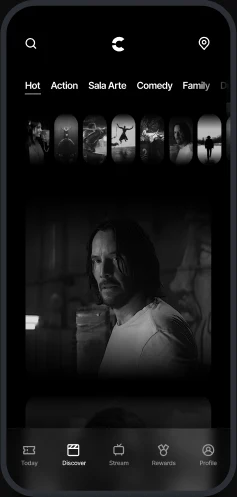
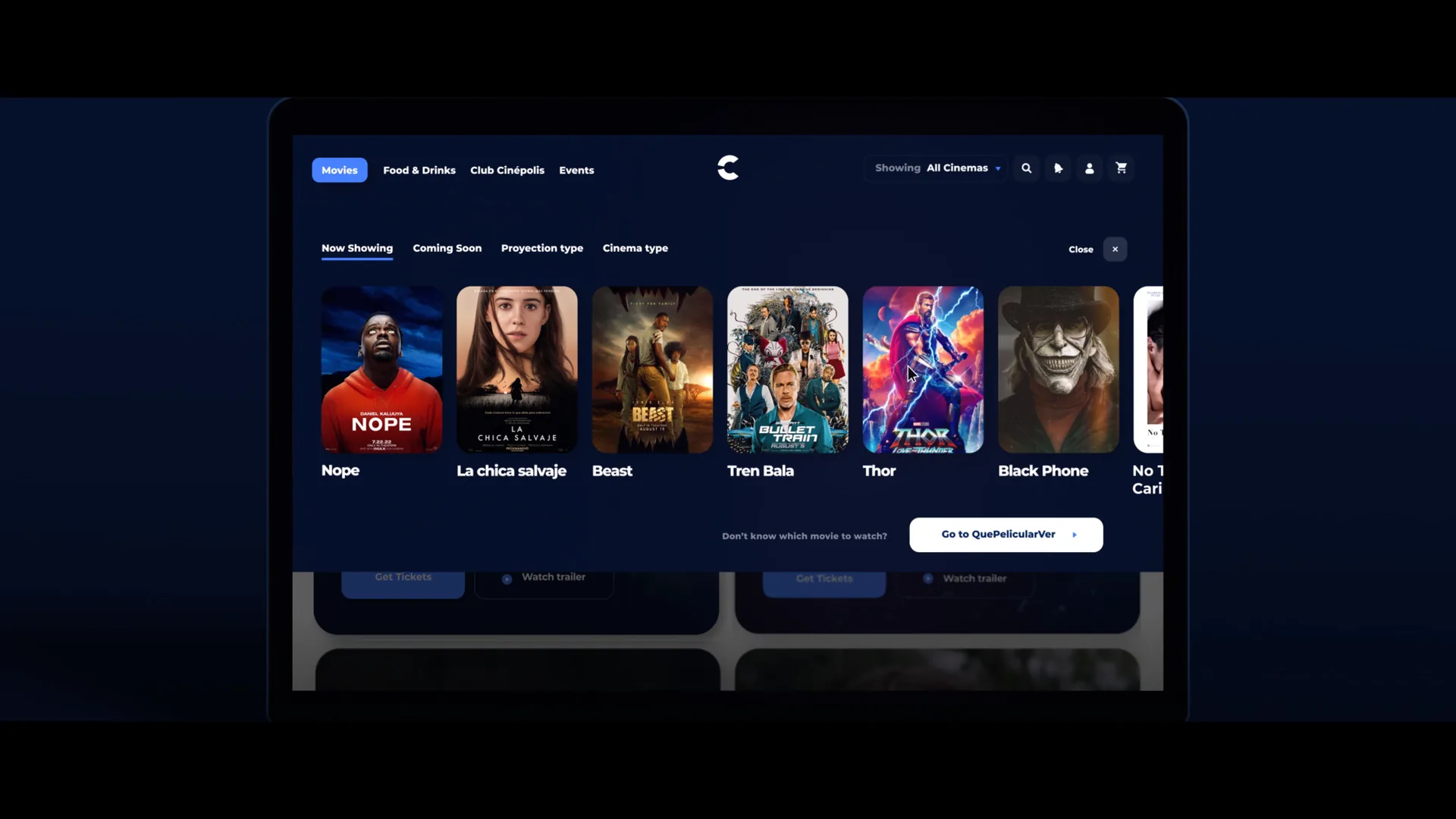
Films, food and drinks, Club Cinépolis, events. Four sections, in that order, on the website, in the app and on the kiosk in the lobby.
Two people use it differently. One walks into the lobby with time, wants to see what is on, and expects to be looked after. The other is on a phone on the way, already knows the film, and wants to be done. The framework had to hold for both, without the kiosk becoming a website on a pole.
The concepts
The ask, in the chain's own words: “Bring the physical Cinépolis experience into our digital ecosystem, and elevate it with an eye towards the future.” Discovery turned that into three principles, clear, actionable and immersive, and three journeys to build: discovering a film, buying tickets and concessions, and setting a customer up for success.
The method was to start high. Concepts drawn at a high level, so the chain could see ideas that did not yet exist, then a prioritization workshop with its teams to choose which went into the journeys, the program's third batch, and which were archived for a later phase.
Knowing the customer
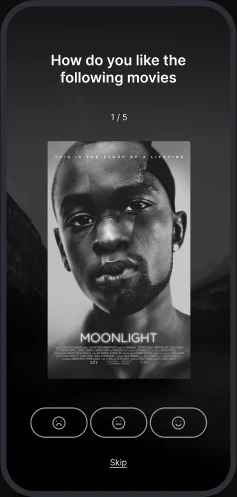
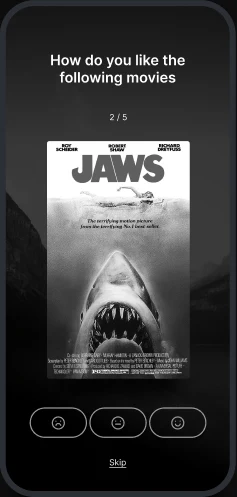
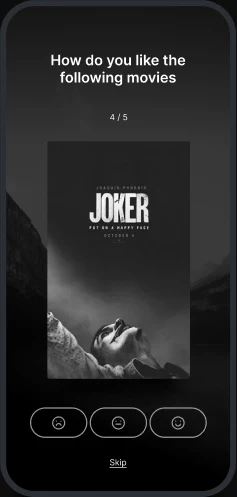
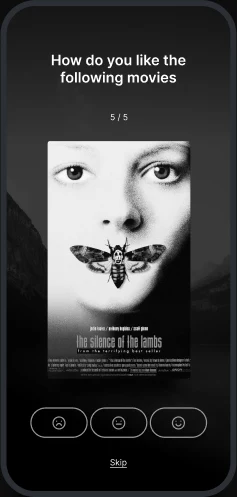
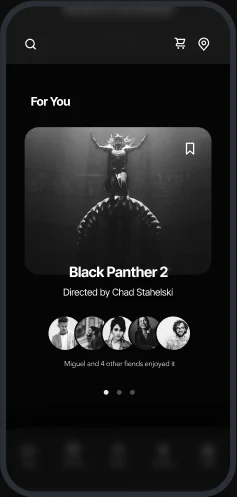
Knowing its customer was the initiative the chain named for the next two years. So the app learns a taste before it learns an order: five films rated at sign-up.
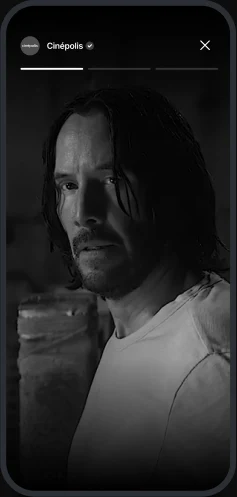
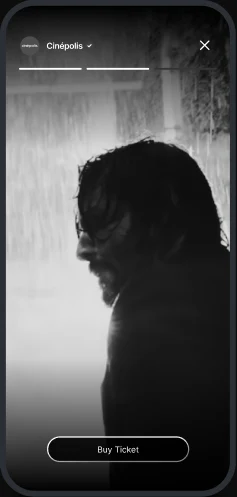
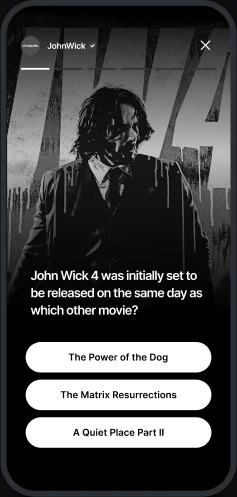
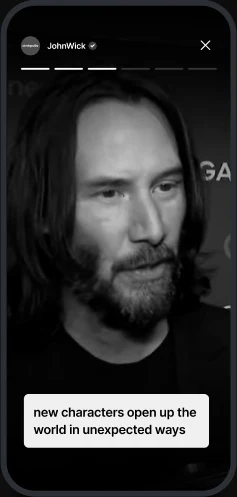
Short video
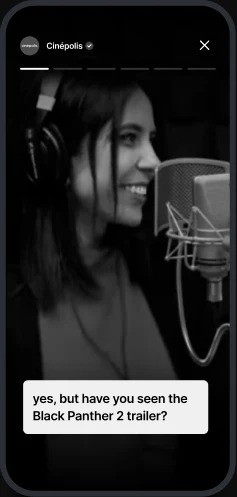
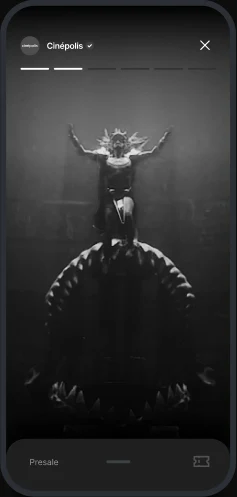
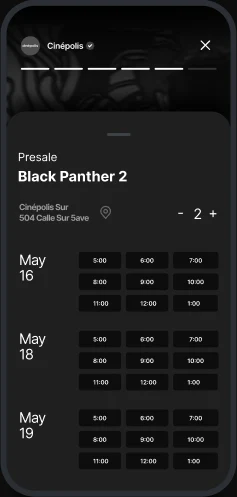
Bring the magic of cinema into the interface. Trailers, clips, trivia and interviews in a vertical feed, and the ticket bought from the trailer, presale included.
Social theater
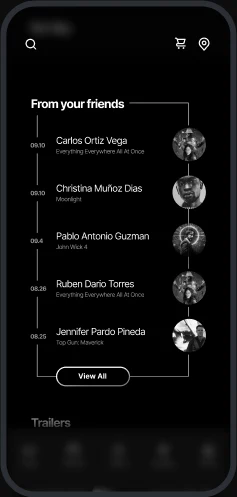
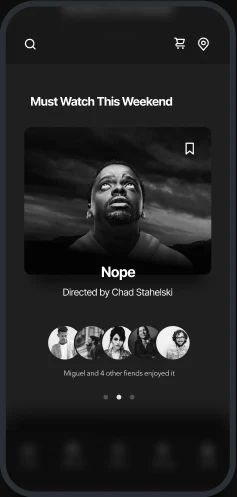
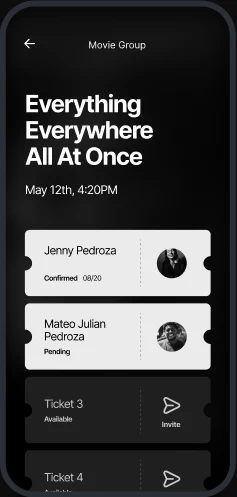
The audience is loyal. The app gives them each other: what friends have seen, what to watch this weekend, and a group that buys its seats together.
The purchase
Two questions decided the purchase: what is this person here to do, and where does the chain make its money.
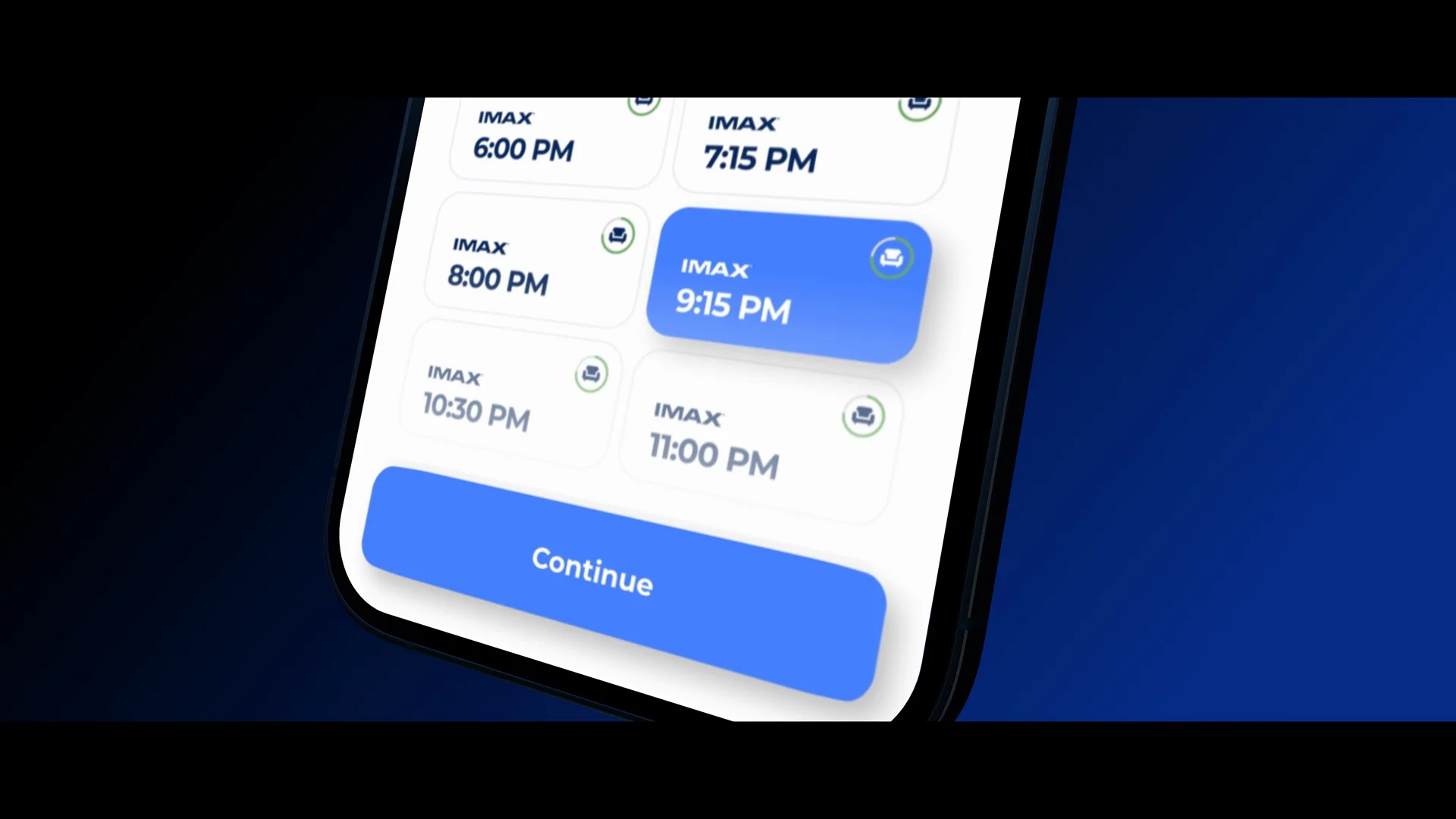
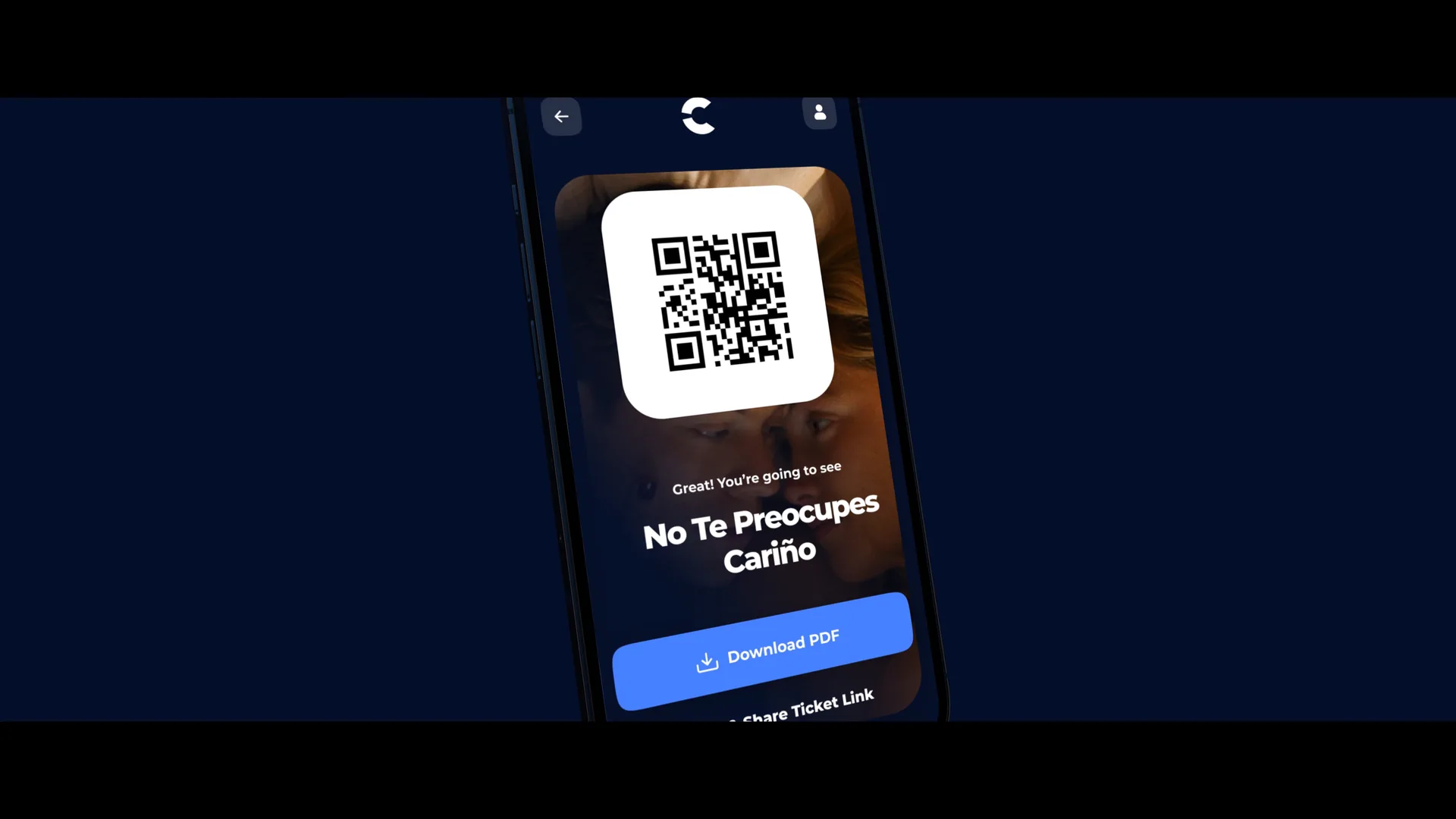
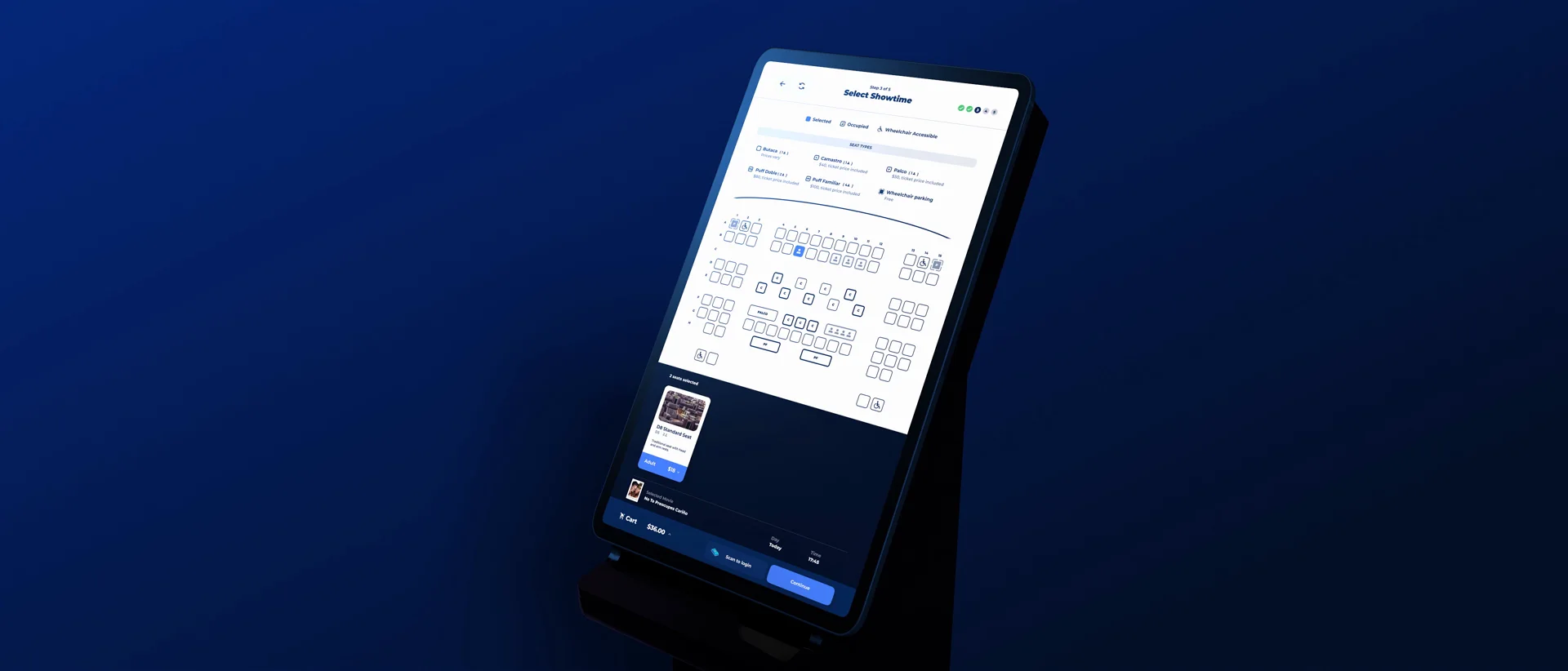
So the flow opens on the film, which is the choice people arrive having half made. Premium formats sit at the top as a filter, since IMAX and the premium rooms are both the better experience and the better margin. The food arrives right after the seats, when the person has already committed and intent is highest. What gets offered follows what the account knows, so a regular sees their own order first. And the whole thing ends in one artifact, a code on the phone with the food on it, because the worst failure of the old experience was people losing what they had paid for.
How it was made
A Fantasy engagement. My work was the UX and the strategy: the discovery and the readout, the guiding principles and the quick wins, the navigation framework, then the wireframes and flows for the purchase, the account, the sign-up and the club. A visual designer and a motion designer worked alongside me.
The interface ran on an Atomic Design component system, so the pages the chain publishes constantly, promotions, FAQs, contact, were planned on twenty to thirty reusable components rather than a new template each time.
What we designed was one night out: a film chosen on a phone, the seats and the food added on the way, and one code at the door.
The deliverables: the purchase flow, the navigation framework, the component system.